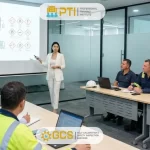
With Live Locations
What you will learn
Water Treatment Process
Flocculation
Sedimendation
DAF
Lamella Plate settlers
Filters
GAC
Chlorination
Description
The water treatment course is designed to provide students with the knowledge and skills necessary to treat water safely and effectively for drinking and other purposes.
The course covers a wide range of topics, including water quality, treatment methods, and regulatory requirements.
You will learn:
Water Intake Methods
Filtration methods
Sedimentation methods
GAC
Chemicals used in Water treatment
Students will gain an understanding of the importance of water treatment and the role it plays in protecting public health. They will also learn about the different methods used to treat water, as well as the advantages and disadvantages of each.
This course provides an overview of the principles and practices of water treatment Processes. Students will learn about the various stages of water treatment, including source water intake, pretreatment, primary treatment, secondary treatment, and disinfection. They will also learn about the different processes and technologies used in each stage, including physical, chemical, and biological processes, and the design and operation of water treatment equipment.
Note that this is a basic overview of the water treatment process, and different plants may use different processes or technologies based on the specific needs and requirements of their location.
Note that there is no prior software knowledge required for this courses
This course is suitable for those with a background in science or engineering, as well as for professionals in the water treatment industry who are seeking to expand their knowledge in this field. Upon completion of this course, students will have a comprehensive understanding of the fundamental processes and technologies used in water treatment plants and be able to apply this knowledge to design and operate effective water treatment systems.
Content
Course Overview
Engage in a comprehensive exploration of the engineering and scientific principles required to transform raw water sources into safe, potable drinking water for urban and rural populations.
Experience an immersive learning environment that utilizes live location broadcasts from municipal facilities, allowing you to witness large-scale operational machinery in real-time.
Analyze the chemical stoichiometry and hydraulic flows involved in traditional sedimentation and coagulation basins.
Investigate modern solutions for emerging environmental threats, including the removal of per- and polyfluoroalkyl substances (PFAS) and endocrine disruptors.
Evaluate the lifecycle of residual solids and the sustainability of sludge management practices within contemporary treatment frameworks.
Bridge the gap between theoretical aqueous chemistry and the physical realities of infrastructure aging and maintenance.
Requirements / Prerequisites
A fundamental understanding of general chemistry, specifically regarding pH, alkalinity, and ionic reactions.
Basic proficiency in fluid mechanics or introductory physics to comprehend pressure differentials and gravity-fed systems.
Familiarity with environmental science concepts or a background in civil engineering is highly recommended but not mandatory.
Access to a stable high-speed internet connection to participate in the live-streamed site inspections and interactive plant walk-throughs.
Skills Covered / Tools Used
Mastery of Jar Testing protocols to determine precise chemical dosages for optimal turbidity removal.
Hands-on simulation of Supervisory Control and Data Acquisition (SCADA) interfaces used for remote plant monitoring and automated adjustments.
Technical design of Rapid Sand Filters and Membrane Bioreactors (MBR) for advanced particulate separation.
Practical application of disinfection kinetics, focusing on Ultraviolet (UV) irradiation, ozonation, and chlorination contact times.
Utilization of mass balance equations to calculate loading rates and hydraulic retention times across various treatment stages.
Exposure to Reverse Osmosis (RO) software modeling for desalination and high-purity industrial water applications.
Benefits / Outcomes
Develop the technical competency required to sit for professional Water Operator Certification exams and environmental licensing.
Cultivate a systems-thinking approach to resource management, enabling you to design resilient water systems against climate change impacts.
Gain a competitive edge in the job market by documenting experience with real-world troubleshooting witnessed during live facility tours.
Acquire the ability to perform cost-benefit analyses for upgrading legacy infrastructure with energy-efficient aeration and pumping technologies.
Build a professional portfolio featuring site-specific case studies from diverse geographical and regulatory environments.
PROS
The live location component provides an unparalleled “behind-the-scenes” look at industrial operations that textbooks cannot replicate.
Curriculum is updated frequently to reflect the latest EPA and WHO guidelines, ensuring your knowledge is current with global standards.
Direct access to industry veterans and plant managers during live sessions for networking and practical career advice.
CONS
The heavy reliance on quantitative chemical modeling and rigorous mathematical derivations may pose a steep learning curve for those without a technical science background.
Introduction
Introduction to Water Treatment Process
Live Location 01
Live Location 02
Summary
Found It Free? Share It Fast!
The post Water Treatment Processes appeared first on StudyBullet.com.